The Blog

Crew Spotlight: A Q & A With Mike Fay

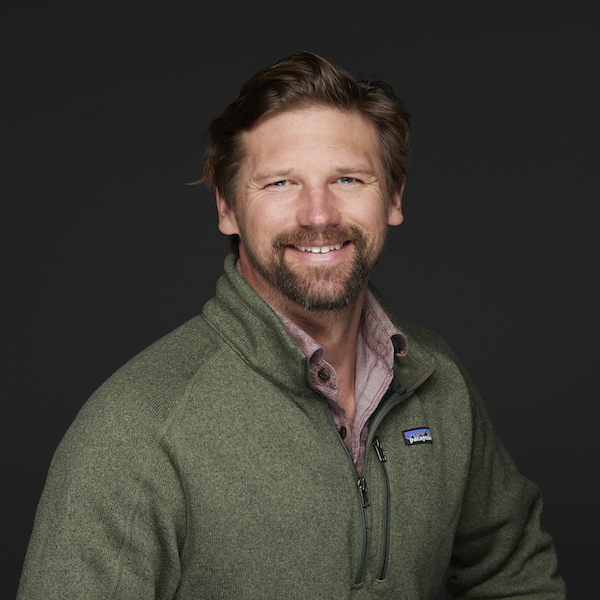
Picture: Crew Spotlight: A Q & A With Mike Fay Photograph by Lindsey Holm

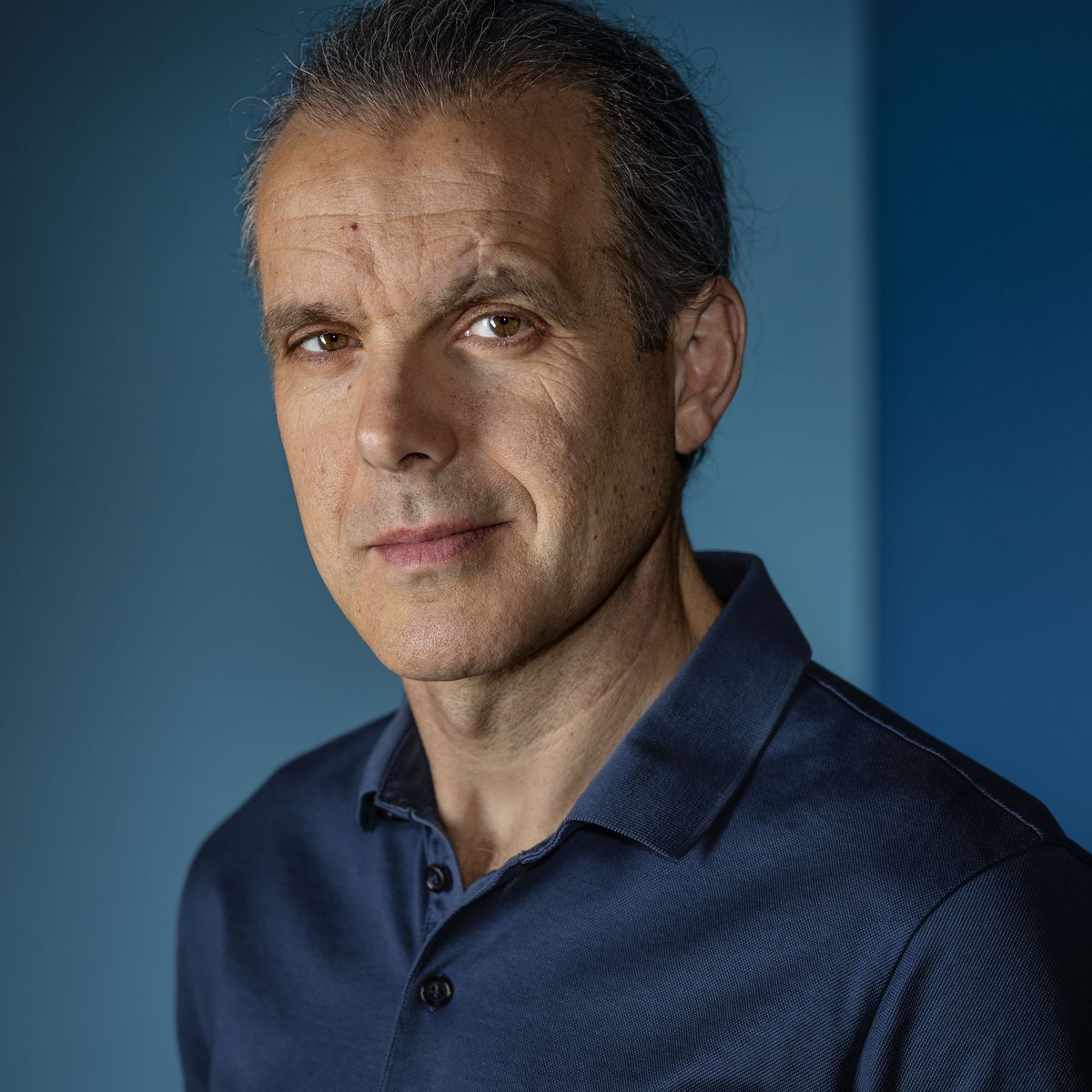
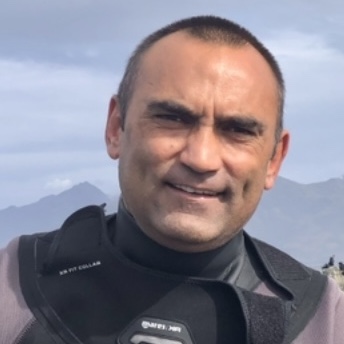
Mike Fay is truly one of a kind. One of the world’s most prominent and well-known explorers, Mike Fay’s mind-boggling expeditions have resulted in the protection of thousands of square miles of wilderness.

Fay has spent his life as an explorer and naturalist—from the Sierra Nevada range and the Maine woods as a boy, to Alaska and Central America in college, and on to North Africa and the depths of central Africa’s forests and savannas over the last 25 years.

Fay has worked for the Wildlife Conservation Society since 1991. Now a National Geographic Explorer-in-Residence, he received international acclaim in 1997 when he trekked across central Africa to bring attention to its last pristine forests.

We asked him a few questions, which he answered from the ship:   


You spent 455 days walking 2,000 miles (about 3,200 km) through Africa to document its environment and wildlife. Wow! What did you learn on that trip? Are there any takeaways that you’ll apply to your upcoming journey?
 

The takeaway message for me when you take a long walk where you are carrying a notebook, camera, and GPS is that when you are deep in a pristine ecosystem, far from humanity, you understand not only the incredible capacity of Earth to produce abundance in nature, but you see the interconnections that escape most people.  

It is like figuring out an incredible complex mathematical equation that only draws blank stares from those who do not get deep.  The other thing that a walk reveals is that the hand of man, even at a very low level of influence, changes everything.  

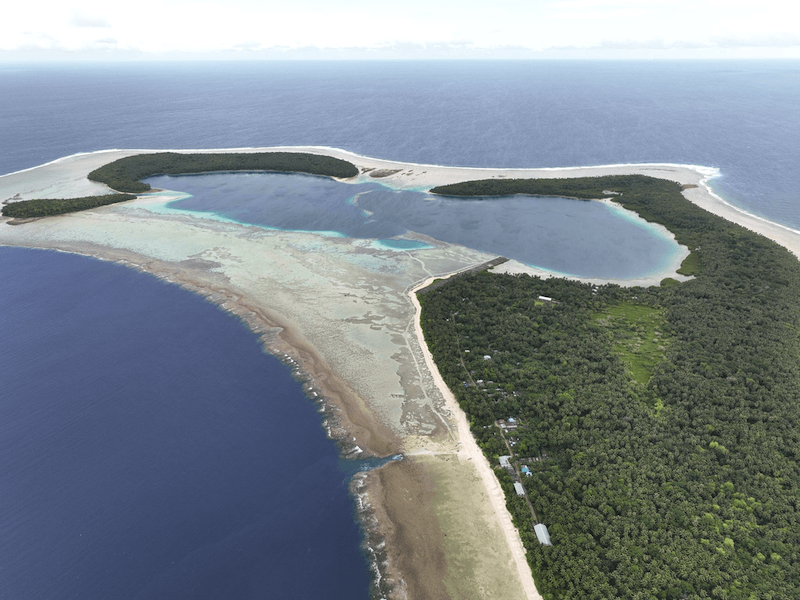
So on the Line Islands, I will be applying my standard method: Record along transects data on the living ecosystem and the human influences that have changed or are changing it.  I will pay particular attention to global change, beach erosion, and the state of the islands given their long history of seafarer visits (with the invasive species they have introduced), guano extraction, and coconut plantations.  

What do you hope to learn on this trip to the Southern Line Islands?  

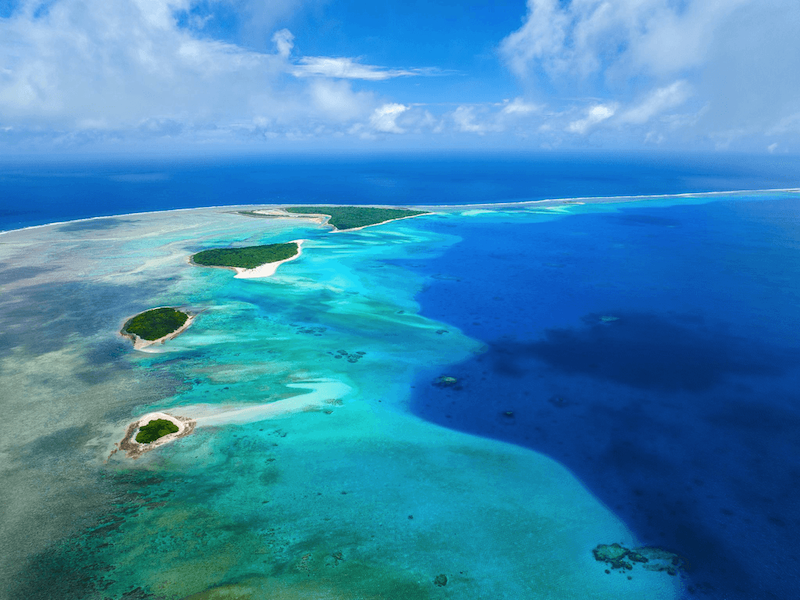

On each island we will run a series of transects, as many as we can, from the Pacific to the Pacific in various directions.  We will document the interface between the ocean and the land base, the birds, insects, and invasive species including perhaps cats and rats.  We hope to learn how the hand of man has changed the terrestrial side of these atolls, and to see the warning signs of erosion from climate change.  Also, Malden Island had three nuclear explosions detonated over it in the 1950s by the British. We will be looking for the impacts of these blasts.

In past adventures, you’ve survived plane crashes, elephant attacks, armed poachers, and malaria. Are you expecting any surprises or challenges on this trip or do you think this will be a more peaceful expedition?   

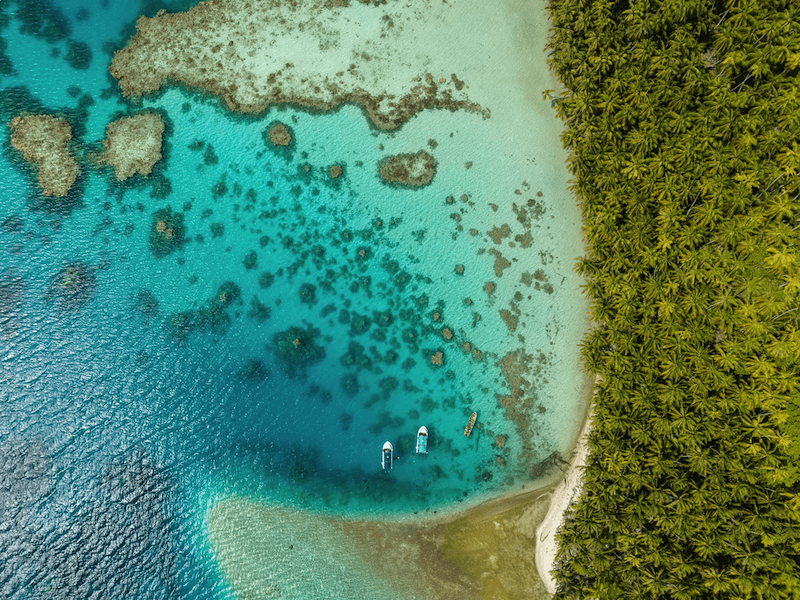
Perhaps, but I have heard the landings on these atolls can be pretty bad, with shallow coral reefs and heavy swells.  There is also no cover on much of these islands and no water. That means hot and thirsty.  I just spent a week walking the coast of Mozambique. It sounds romantic but it is actually a tough environment to walk in.  We will only be able to land with the minimum because we have to take so much care getting to them safely, for us and for the habitat itself, so hopefully the logistics work out for us.  

We did bring a machete so at least we can eat coconuts if we get stuck….

Your trip through Gabon resulted in the government protection of 10,000 square miles (about 26,000 square kilometers) of national parkland. That's pretty amazing! What conservation goals do you hope to accomplish on this trip?   

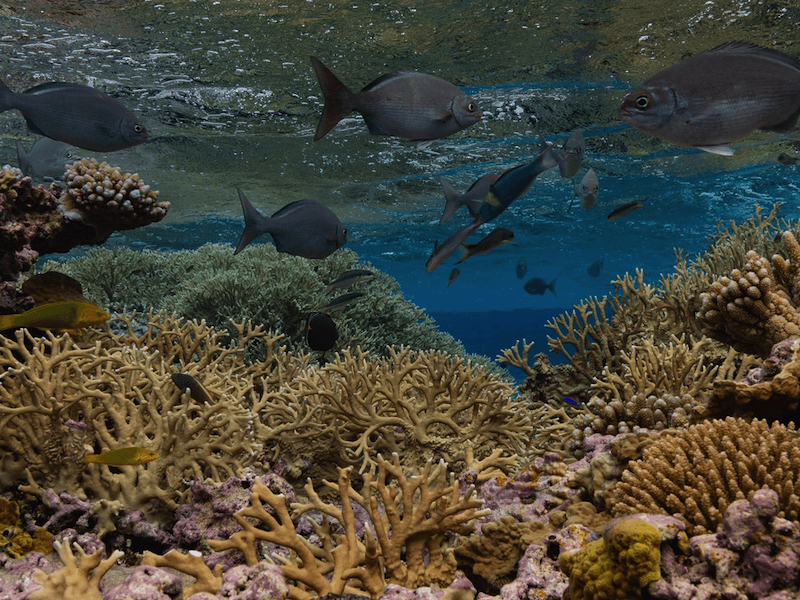
I echo Enric on this—there’s no doubt that we humans need to span the gap between the need for marine protected areas on this planet and the paltry few that exist.  The oceans provide humanity with some of its most valuable resources and global stability.  Marine protected areas have been demonstrated to provide refuges for the biodiversity in our oceans, nurseries for the abundance that we use.  


At the same time, the world’s low islands are already feeling the consequences of sea level rise due to global warming.  We as conservationists are challenged not only to do what we always did—which was to combat local extinction and ecosystem collapse because of local human actions—but also to see global impact as the new “600-pound gorilla” that has to be dealt with immediately.  

We are hopeful that we can help seed a worldwide movement to bring the fraction of the seas dedicated as marine protected areas up to par with the percentage of the land that’s been set aside.  There is no reason why the oceans should be so neglected, quite the contrary.

Do you have any thoughts on how can we convince other nations to follow the model of the Republic of Kiribati and preserve vast amounts of ocean? What would you say to the leaders and peoples of these countries?  

People sometimes construe conservation of a nation’s natural resource base as a luxury.  That is like a farmer saying that conserving his topsoil is a luxury.  All nations on this early trajectory in the ascendance of humanity need to make the conservation of their natural resource base their highest priority.  When we witness the collapse of global fisheries, fresh water systems, and forests worldwide, and remember that we have the rest of time to depend on this fragile base, it bodes an ominous future.

Leaders who recognize the value of their natural resource base and put in place systems to protect those resources as their most precious asset are not depriving their people of development, but rather saving them from poverty and massive hardship on a scale heretofore not experienced by mankind.  

What's one way that readers at home can help protect our wilderness?

Humanity’s voyage into the 21st century must be marked by our recognition that our natural resources are our most precious asset.  Wilderness is not a romantic notion of wildness, but rather areas of the planet where human influence has not caused ecosystem collapse.  These are the Noah’s Arcs for our future.  

Since we are still using a monetary system of planetary resource management, all humans must contribute monetarily to protecting wilderness.  This tithing should be regarded by all of humanity as a priority more important than their contribution to faith or charity.  This amounts to investing in our very survival.  I do not think that 10 percent of the world’s economy is too much to invest in saving the planet.  

We must all contribute.  Just as religions have converted the majority of humankind to faith, our task is to make everyone a conservationist.  Let’s all give 10 percent.