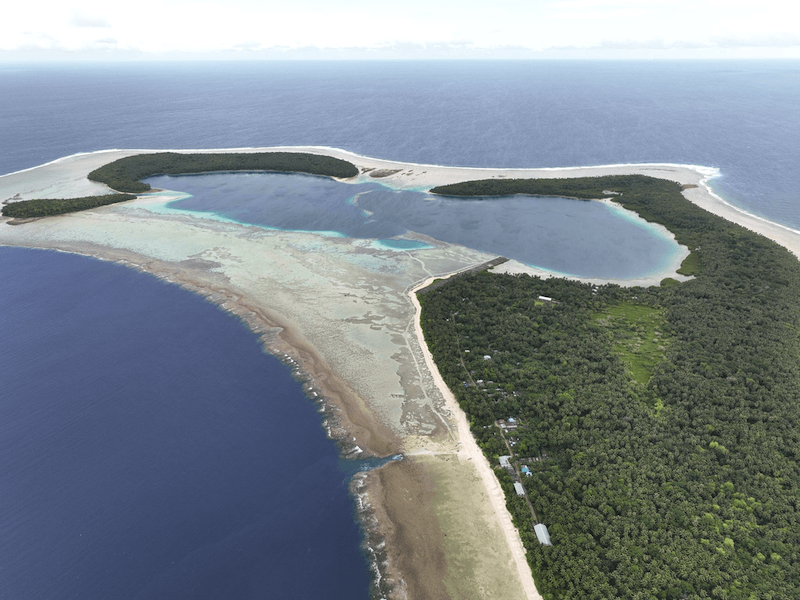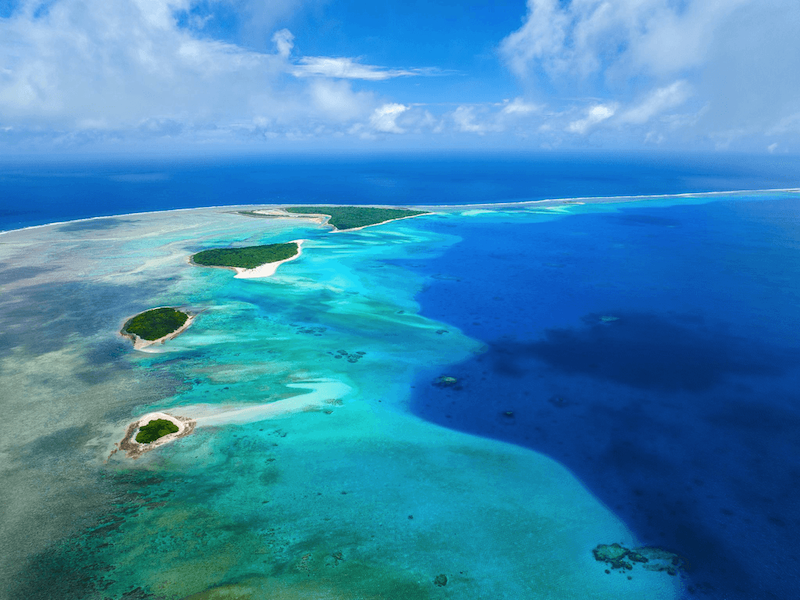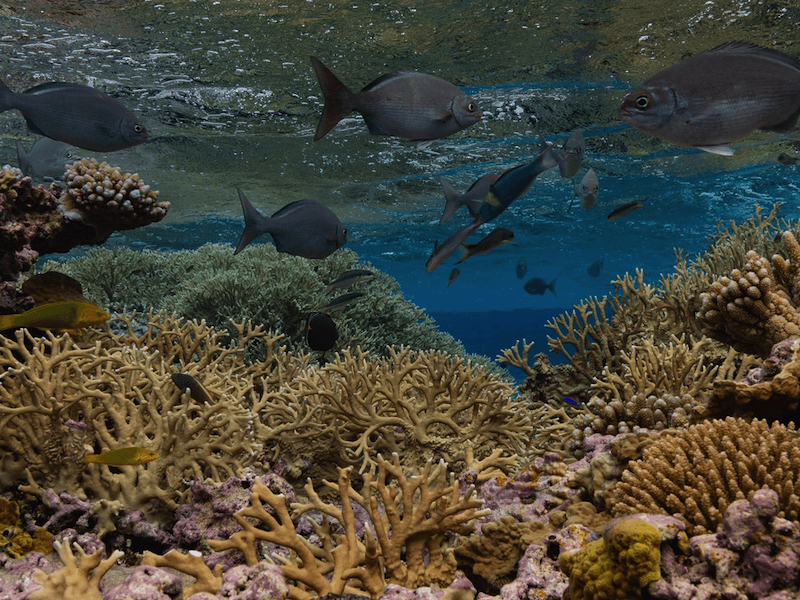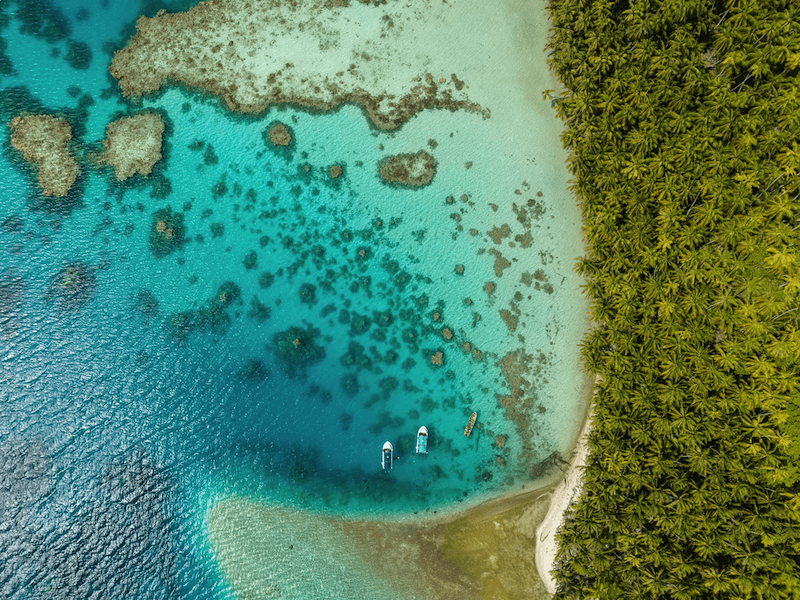
Led by the sushi market in Japan, the global demand for succulent tuna meat has driven stocks of the once ubiquitous species to the brink of collapse. Fisheries in the Mediterranean, where this catch was landed, are in particular peril, with some studies showing highly prized bluefin tuna near extinction there.
Photograph by Jose Luis Roca/AFP/Getty Images
Ocean overfishing is simply the taking of wildlife from the sea at rates too high for fished species to replace themselves. The earliest overfishing occurred in the early 1800s when humans, seeking blubber for lamp oil, decimated the whale population. Some fish that we eat, including Atlantic cod and herring and California's sardines, were also harvested to the brink of extinction by the mid-1900s.
Highly disruptive to the food chain, these isolated, regional depletions became global and catastrophic by the late 20th century.
When It Started
Marine scientists know when widespread overfishing of the seas began. And they have a pretty good idea when, if left unaddressed, it will end.
In the mid-20th century, international efforts to increase the availability and affordability of protein-rich foods led to concerted government efforts to increase fishing capacity. Favorable policies, loans, and subsidies spawned a rapid rise of big industrial fishing operations, which quickly supplanted local boatmen as the world's source of seafood.

These large, profit-seeking commercial fleets were extremely aggressive, scouring the world's oceans and developing ever more sophisticated methods and technologies for finding, extracting, and processing their target species. Consumers soon grew accustomed to having access to a wide selection of fish species at affordable prices.
But by 1989, when about 90 million tons (metric tons) of catch were taken from the ocean, the industry had hit its high-water mark, and yields have declined or stagnated ever since. Fisheries for the most sought-after species, like orange roughy, Chilean sea bass, and bluefin tuna have collapsed. In 2003, a scientific report estimated that industrial fishing had reduced the number of large ocean fish to just 10 percent of their pre-industrial population.
When It Will End
Faced with the collapse of large-fish populations, commercial fleets are going deeper in the ocean and father down the food chain for viable catches. This so-called "fishing down" is triggering a chain reaction that is upsetting the ancient and delicate balance of the sea's biologic system.
A study of catch data published in 2006 in the journal Science grimly predicted that if fishing rates continue apace, all the world's fisheries will have collapsed by the year 2048.
What's Next?
Over the past 55 years, as fisheries have returned lower and lower yields, humans have begun to understand that the oceans we'd assumed were unendingly vast and rich are in fact highly vulnerable and sensitive. Add overfishing to pollution, climate change, habitat destruction, and acidification, and a picture of a system in crisis emerges.
Many scientists say most fish populations could be restored with aggressive fisheries management, better enforcement of laws governing catches, and increased use of aquaculture. And in many regions, there is reason for hope. But illegal fishing and unsustainable harvesting still plagues the industry. And a public grown accustomed to abundant seafood and largely apathetic about the plight of the oceans complicates efforts to repair the damage we've done.


Did You Know?
The prime cuts of Chilean sea bass served in restaurants often come from mature fish up to 200 years old.
More About Overfishing
-
The Impact of Seafood
Every year more than 170 billion pounds of wild fish and shellfish are caught in the oceans. Learn about the impact your seafood choices make on your health and the ocean in this interactive guide.
-
World Fish Stocks
Learn about the status of global marine fish stocks and which areas of the world are at risk of stock depletion.
-
Still Waters: The Global Fish Crisis
High-tech harvesting and wasteful management have brought world fish stocks to dangerous lows.
Photo Galleries
Take Action
Ocean Topics
-
Acidification
-
Ballard, Robert
-
Bowermaster, Jon
-
Cook-Wise
-
De Rothschild, David
-
Doubilet, David
-
Earle, Sylvia
-
Frozen Seafood Benefits
-
Goodman, Beverly
-
Habitat Destruction
-
Invasive Species
-
Kristof, Emory
-
Marine Food Chain
-
Marine Pollution
-
Nicklen, Paul
-
Norman, Brad
-
Ocean Overview
-
Overfishing
-
Plastiki
-
Pristine Seas Expeditions
-
Sala, Enric
-
Seafood Decision Guide
-
Seafood Substitutions
-
Sea Level Rise
-
Sea Temperature Rise
-
Seaver, Barton
-
Sustainable Seafood
-
Thys, Tierney
-
Tips to Save the Ocean
Advertisement
National Geographic Magazine
-
Tide Pools Pictures
A cast of thousands clings to rocky real estate in a narrow strip of shore called the intertidal zone.
-
Great Barrier Reef Photo Gallery
From tiny coral polyps grew a marvel: Australia’s Great Barrier Reef. Could it all come crumbling down?
-
The Acid Sea
Carbon dioxide we pump into the air is seeping into the ocean and slowly acidifying it.
Your Ocean
-
For Kids
Learn about the ocean with activities, photos, and games.
-
Ocean Education
Bring engaging and important ocean learning to your classroom.
Support the Ocean
Help protect the last healthy, undisturbed places in the ocean so we can learn how to help healthy reefs thrive, help unhealthy reefs recover, and better preserve the ocean.
Explore the Ocean
-
Ocean Life
Order ocean books, DVDs, maps, and more from the National Geographic online store.
-
Ocean Special Issue
Explore the world's oceans, from their prehistoric beginnings to modern-day efforts to preserve their natural wonder.
-
Ocean: An Illustrated Atlas
Immerse yourself in the wonders of the deep through colorful maps, photos, and satellite images.
Engage, Conserve, Restore
-
Freshwater Initiative
The National Geographic Society’s freshwater initiative is a multi-year global effort to inspire and empower individuals and communities to conserve freshwater and preserve the extraordinary diversity of life that rivers, lakes, and wetlands sustain.