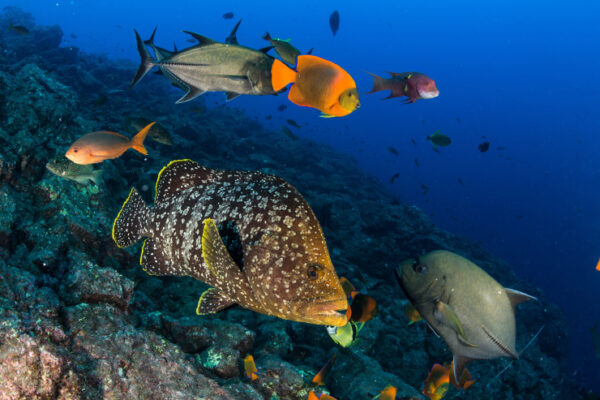

Photograph by Octavio Aburto
Cocos Island and the Gemelas Seamounts
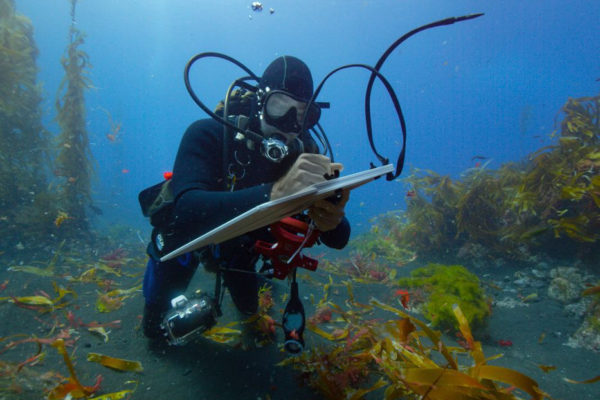
In September 2009, National Geographic Fellow Enric Sala, National Geographic Explorer-in-Residence Sylvia Earle, and a team of leading marine scientists from Central America and across the globe gathered together in Costa Rica. Destination: Cocos Island—Isla del Coco, ringed by some of the most shark-rich waters anywhere—and the submerged and all-but-unexplored summits of the Gemelas (“Twin Sisters”) Seamounts.
The team worked with local marine scientists and conservation organizations to document these aquatic ecosystems. The data, they hope, will help to establish new scientific baselines for intact—and critically important—environments.
While Cocos has helped define the world’s image of an untouched island paradise for centuries, the Gemelas Seamounts have lurked, mostly unseen and unknown, beneath hundreds of feet of seawater. But marine creatures know them as fertile and important waypoints on their wanderings. These rich feeding grounds may be critical to the survival of many of the migratory predators that pass through them.
Related Features
-
Cocos Island Blog Archive
Follow along with Dr. Enric Sala and a team of scientists as they explore the pristine waters of their most recent destination: Cocos Island.
-
Sylvia Earle, Oceanographer
National Geographic Explorer-in-Residence Sylvia Earle joined the Cocos Island Expedition and explored the Gemelas Seamounts aboard the Deep See submersible.
-
An Underwater Serengeti
Watch a preview of the Nat Geo Wild special Shark Island, shot during the Cocos Island expedition. Check local listings for showtimes.
Photo Galleries
Take Action
Video: NG Live! Pitcairn Islands
National Geographic Explorer-in-Residence Enric Sala dives deep into the waters of one of the most pristine places on Earth—the Pitcairn Islands—only to discover its delicate ecosystem is not as unspoiled as it may seem.
Advertisement
Support the Ocean
Help protect the last healthy, undisturbed places in the ocean so we can learn how to help healthy reefs thrive, help unhealthy reefs recover, and better preserve the ocean.
Ocean Topics
-
Acidification
-
Ballard, Robert
-
Bowermaster, Jon
-
Cook-Wise
-
De Rothschild, David
-
Doubilet, David
-
Earle, Sylvia
-
Frozen Seafood Benefits
-
Goodman, Beverly
-
Habitat Destruction
-
Invasive Species
-
Kristof, Emory
-
Marine Food Chain
-
Marine Pollution
-
Nicklen, Paul
-
Norman, Brad
-
Ocean Overview
-
Overfishing
-
Plastiki
-
Pristine Seas Expeditions
-
Sala, Enric
-
Seafood Decision Guide
-
Seafood Substitutions
-
Sea Level Rise
-
Sea Temperature Rise
-
Seaver, Barton
-
Sustainable Seafood
-
Thys, Tierney
-
Tips to Save the Ocean
Your Ocean
-
For Kids
Learn about the ocean with activities, photos, and games.
-
Ocean Education
Bring engaging and important ocean learning to your classroom.
Explore the Ocean
-
Ocean Life
Order ocean books, DVDs, maps, and more from the National Geographic online store.
-
Ocean Special Issue
Explore the world's oceans, from their prehistoric beginnings to modern-day efforts to preserve their natural wonder.
-
Ocean: An Illustrated Atlas
Immerse yourself in the wonders of the deep through colorful maps, photos, and satellite images.
Engage, Conserve, Restore
-
Freshwater Initiative
The National Geographic Society’s freshwater initiative is a multi-year global effort to inspire and empower individuals and communities to conserve freshwater and preserve the extraordinary diversity of life that rivers, lakes, and wetlands sustain.