
Red snapper, with a school of soldierfish, swimming near Vostok Island
Photograph by Enric Sala
Southern Line Islands
During the spring of 2009, Enric Sala and a team of scientists returned to the central Pacific—this time to the southern Line Islands, a province of the Republic of Kiribati located some 2,000 miles (3,200 kilometers) south of Hawaii. These are among the most remote and isolated atolls on Earth. They are rarely visited. No person calls them home.
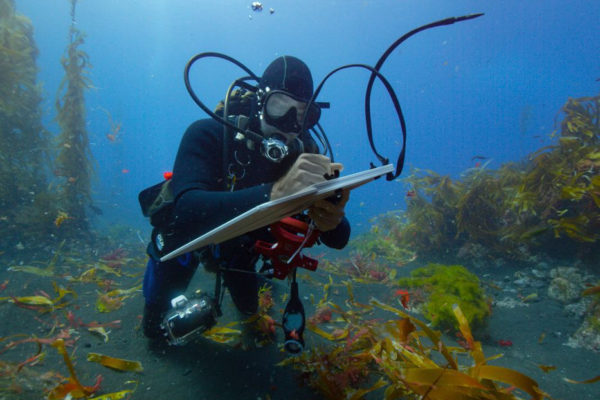
The team spent six weeks visiting Flint, Vostok, Millennium, Starbuck, and Malden islands. They observed and documented water quality, fish populations, predator populations, and the health and diversity of the coral reef itself—the heart of the tropical marine ecosystem. Renowned terrestrial ecologist and conservationist Mike Fay conducted above-water transects on the islands.
The expedition was the first comprehensive study of its kind. Researchers hope to use the data to establish a baseline model for healthy coral reefs, to quantify the effects of human activity on these ecosystems, and to devise a blueprint for the conservation of already degraded reefs.
Related Features
-
Southern Line Islands Blog Archive
Journey back to the southern Line Islands with Sala and his team as they explore the pristine reefs and remote and isolated atolls.
-
Meet Conservationist Mike Fay
National Geographic Explorer-in-Residence Mike Fay, joined Sala's team to conduct a series of transects across the southern Line Islands.
-
Vostok: "The Most Amazing Place I've Ever Seen"
Watch as Sala describes the "very best dive of his life" at the pristine coral reef off Vostok Island.
Photo Galleries
Take Action
Video: NG Live! Pitcairn Islands
National Geographic Explorer-in-Residence Enric Sala dives deep into the waters of one of the most pristine places on Earth—the Pitcairn Islands—only to discover its delicate ecosystem is not as unspoiled as it may seem.
Advertisement
Support the Ocean
Help protect the last healthy, undisturbed places in the ocean so we can learn how to help healthy reefs thrive, help unhealthy reefs recover, and better preserve the ocean.
Ocean Topics
-
Acidification
-
Ballard, Robert
-
Bowermaster, Jon
-
Cook-Wise
-
De Rothschild, David
-
Doubilet, David
-
Earle, Sylvia
-
Frozen Seafood Benefits
-
Goodman, Beverly
-
Habitat Destruction
-
Invasive Species
-
Kristof, Emory
-
Marine Food Chain
-
Marine Pollution
-
Nicklen, Paul
-
Norman, Brad
-
Ocean Overview
-
Overfishing
-
Plastiki
-
Pristine Seas Expeditions
-
Sala, Enric
-
Seafood Decision Guide
-
Seafood Substitutions
-
Sea Level Rise
-
Sea Temperature Rise
-
Seaver, Barton
-
Sustainable Seafood
-
Thys, Tierney
-
Tips to Save the Ocean
Your Ocean
-
For Kids
Learn about the ocean with activities, photos, and games.
-
Ocean Education
Bring engaging and important ocean learning to your classroom.
Explore the Ocean
-
Ocean Life
Order ocean books, DVDs, maps, and more from the National Geographic online store.
-
Ocean Special Issue
Explore the world's oceans, from their prehistoric beginnings to modern-day efforts to preserve their natural wonder.
-
Ocean: An Illustrated Atlas
Immerse yourself in the wonders of the deep through colorful maps, photos, and satellite images.
Engage, Conserve, Restore
-
Freshwater Initiative
The National Geographic Society’s freshwater initiative is a multi-year global effort to inspire and empower individuals and communities to conserve freshwater and preserve the extraordinary diversity of life that rivers, lakes, and wetlands sustain.